The short answer
Deep clean most carpets every 6 to 12 months. Homes with kids or indoor pets do best every 3 to 6 months, and allergy households the same. If you can’t remember the last clean, you are overdue. This guide answers the question behind most carpet cleaning near me searches: the schedule by household, the signs a carpet is saturated, what a professional visit includes, and the routine that stretches time between cleans.
Short answer: most homes should have their carpets professionally deep cleaned every 6 to 12 months. Homes with young kids, indoor pets or allergy sufferers should lean toward every 3 to 6 months — and if you can’t remember the last time yours were done, they’re due. It’s the first thing people ask when they start searching for carpet cleaning near me, so here is the straight answer from a local carpet cleaning crew — the schedule we give our own families, and the one we’ll walk you through below.
At Carpet Clean Guys, this is the question we hear more than any other, usually while a customer watches the first wand pass pull a dark line of dirt out of a carpet that “looked fine.” Carpets are very good at hiding what they hold. The fibres act like a filter for the whole house: dust, pollen, skin cells, tracked-in soil and spill residue settle down into the pile where a vacuum can’t reach, and the surface keeps looking acceptable long after the base of the carpet is loaded.
Why a carpet that looks clean still needs cleaning
Vacuuming matters — it removes the loose, dry soil sitting on top. But the oily, sticky soil that binds dirt to fibres doesn’t vacuum out. It builds up pass by pass of everyday life: cooking oils carried on air currents, lotions and bare feet, pet dander, the fine grit that comes in on shoes. Over months that layer does three things. It dulls the colour, because dirt is abrasive and slowly scratches the fibre surface. It flattens traffic lanes, because gritty soil packs the pile down where you walk most. And it feeds odors, because organic residue deep in the pile is exactly what odor-causing bacteria like.
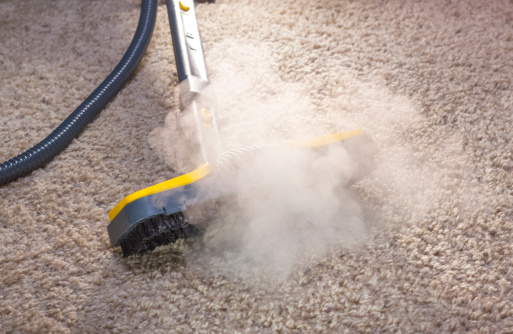
A professional deep clean — hot water extraction with real dwell time on pre-treatment — is the reset button. It rinses that bound soil out of the fibre instead of just rearranging the surface, which is why a properly extracted carpet doesn’t just look brighter: it feels softer underfoot and stays cleaner longer afterwards.
The schedule, by household
- Adults only, shoes off at the door: every 12 months is a fair rhythm, with high-traffic rooms done at the 6-month mark if they dull early.
- Kids in the house: every 6 months. Spills, snacks and bare feet in from the yard add soil faster than any other factor.
- Dogs or cats indoors: every 3 to 6 months. Dander and oils work deep into the pile, and accident spots need treatment before they set into the backing. Odor goes deeper than the stain, too — here’s why pet smells keep coming back and what actually stops them.
- Allergies or asthma in the family: every 3 to 6 months. Carpet holds pollen and dust out of the air — until it’s full. Extraction empties the filter.
- Rental properties and move-ins/move-outs: every change of tenant, no exceptions. It’s the difference between “vacuumed” and actually clean.
Signs you’re already overdue
You don’t need a calendar to tell. Traffic lanes that stay grey a day after vacuuming, a room that smells stale when the windows have been closed, carpet that feels crunchy or sticky in bare feet, allergy symptoms that are worse indoors than out — each one is the pile telling you it’s saturated. Another simple test: press a damp white cloth firmly into the carpet in a walkway and hold it for thirty seconds. If it comes up grey or brown, that’s the soil load your vacuum has been leaving behind.
What a local carpet cleaning visit actually includes
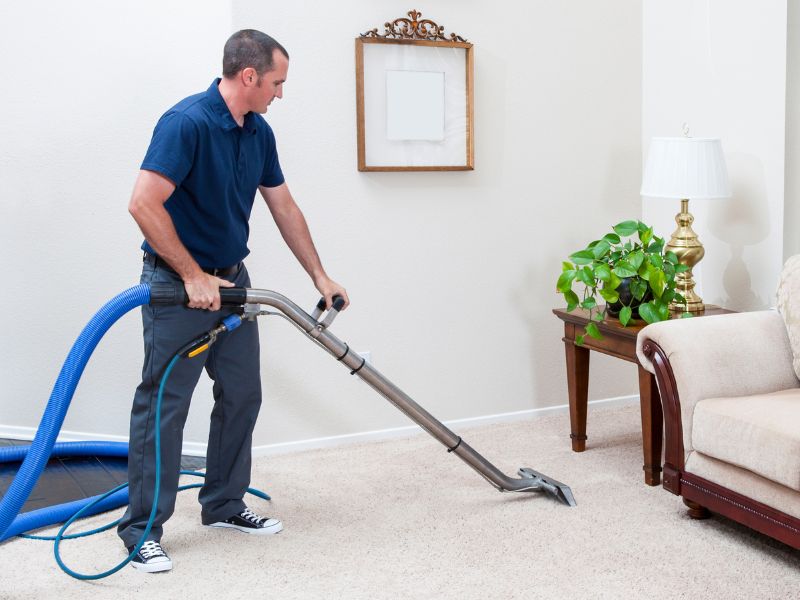
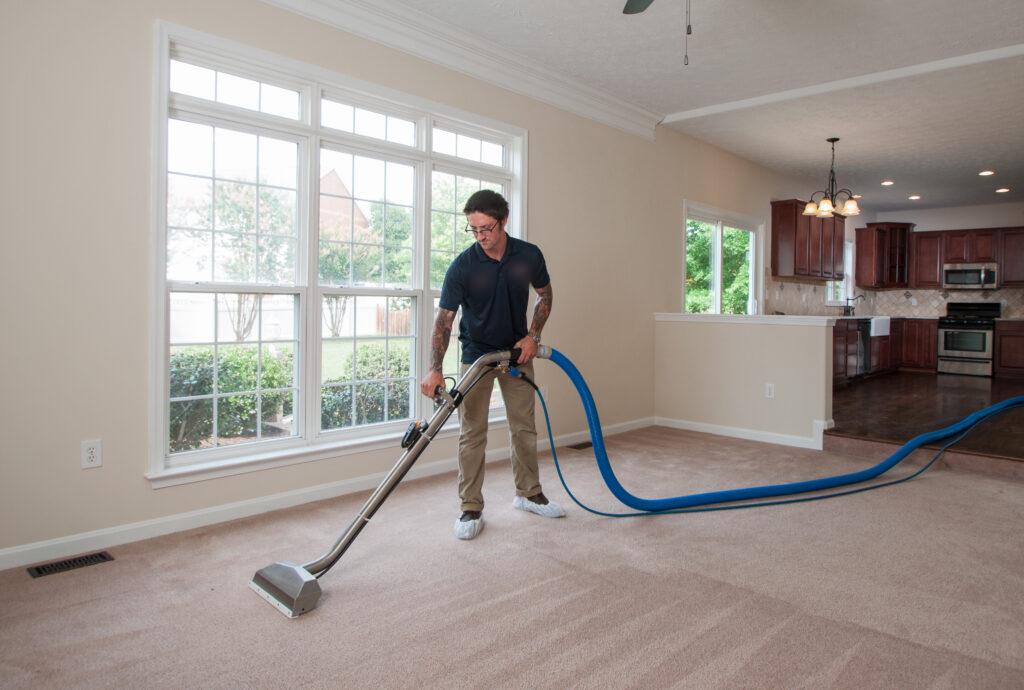
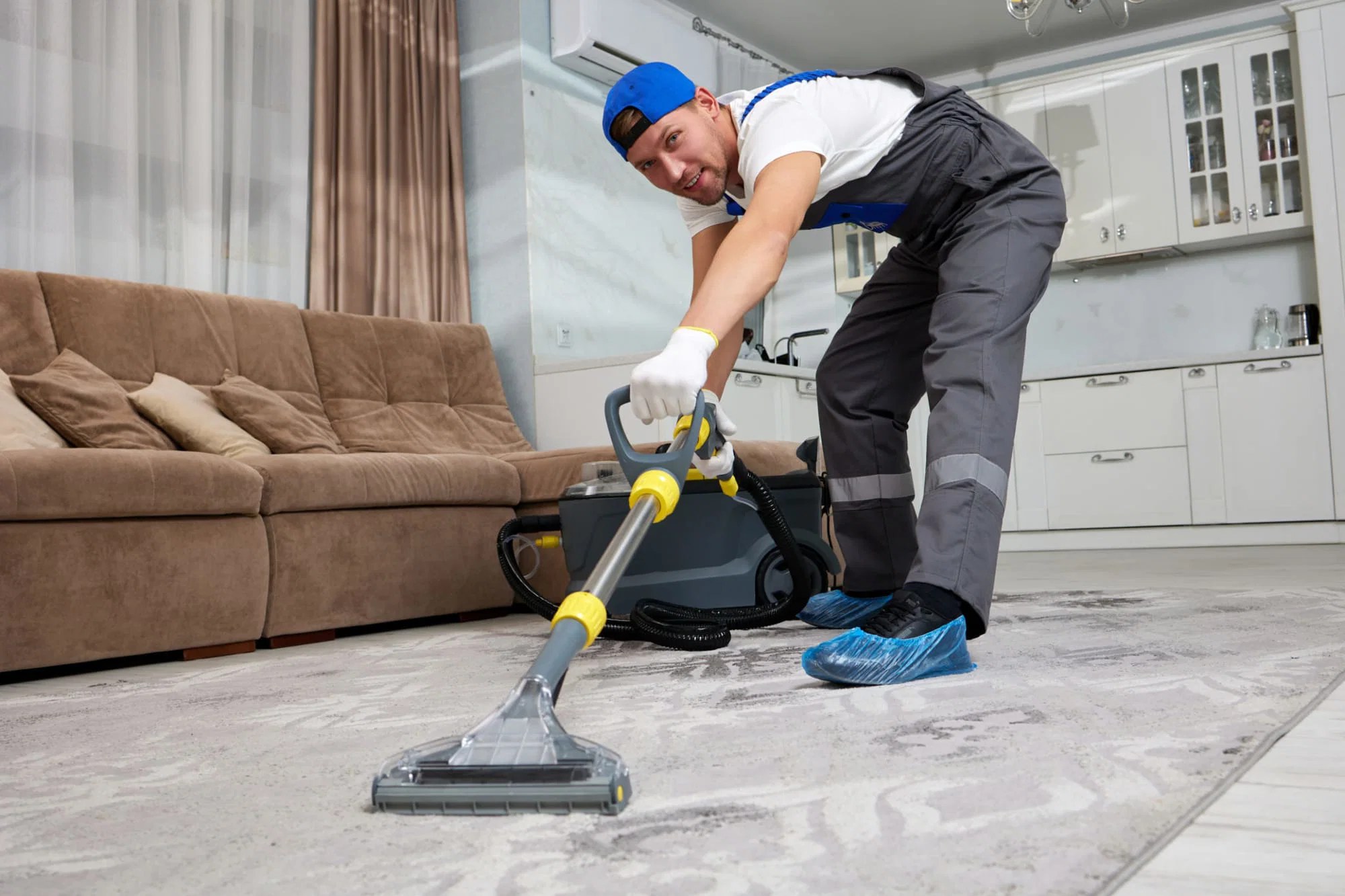
We start with a walkthrough — fibres checked, stains identified, problem spots noted with you. Then pre-treatment on traffic lanes and spots, with dwell time so the solution can break the soil’s grip. The extraction itself is slow wand work, standing up, pass over pass, with a full rinse so no sticky residue is left behind to attract new dirt. Before we pack up, we walk every room with you and show you the result.
What we find on most first visits is the same: the carpet looked fine because the soil was sitting at the base of the pile, not on top of it. Once that layer is rinsed out, the room usually stays fresher noticeably longer than the homeowner expected — which is the real test of whether the schedule is right for that house.
What happens when you leave it too long
Skipping cleans doesn’t just keep the dirt — it changes the carpet. Gritty soil at the base of the pile acts like sandpaper on the fibres with every footstep, so traffic lanes wear thin years before the rest of the room. Pile crushes and mats where feet press the same spots, and once the fibre itself is damaged, no cleaning restores it. Odors move in for good as organic residue feeds bacteria deep in the backing, and the allergen load — pollen, dander, dust-mite waste — builds until the carpet stops filtering the air and starts releasing it back into the room. There’s a paperwork cost too: most carpet manufacturers require professional extraction on a regular cycle to keep the warranty valid, and “we vacuumed a lot” doesn’t count.
Between deep cleans: the routine that stretches the schedule
- Vacuum high-traffic lanes twice a week, the rest of the carpet weekly — slow passes, in two directions, so suction can lift soil before it settles deep.
- Stop soil at the door: a mat outside and inside every entrance, plus a shoes-off habit, keeps most of what would end up in the pile from ever reaching it.
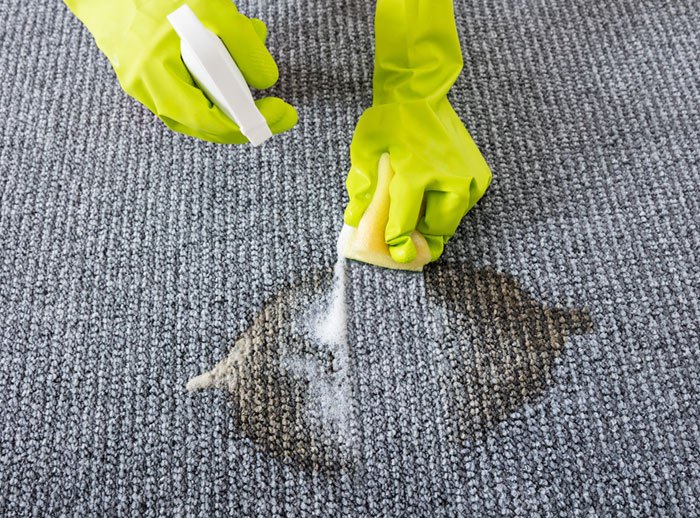
- Blot spills the minute they happen — never rub, never reach for heat. Our red wine rescue guide walks through the exact technique, and it works on almost any spill.
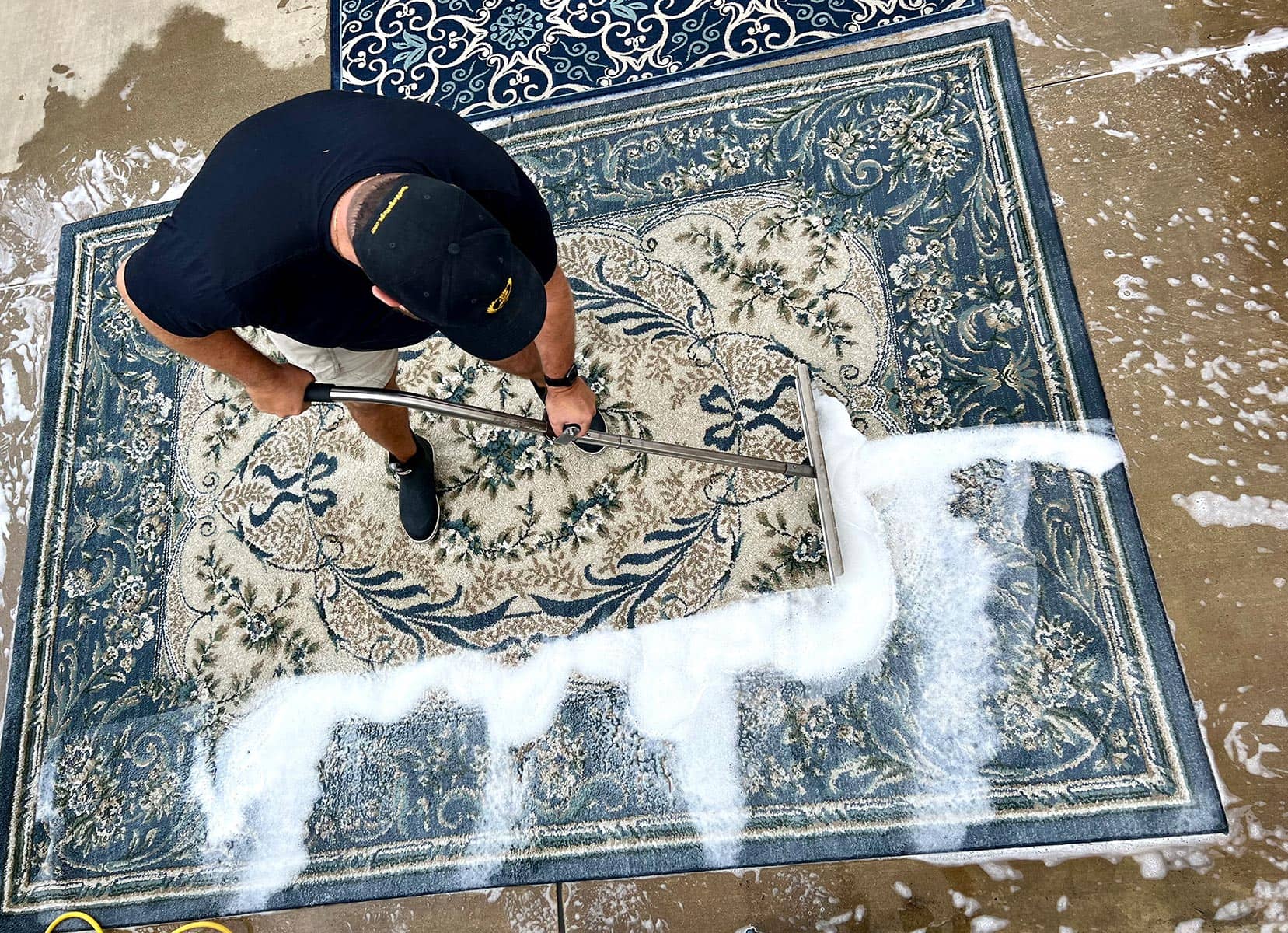
- Shift the traffic: rotating rugs and occasionally rearranging furniture evens out wear, so one lane doesn’t age years ahead of the rest.
- Skip the foam-and-forget sprays: most leave a sticky residue that pulls in new soil faster — the same trap we break down in steam cleaning vs. shampooing.
Questions we hear at the door
How long do carpets take to dry?
With professional extraction, most rooms are dry to the touch in 4 to 6 hours. Airflow speeds it up — ceiling fans and open windows help — and you can walk on the carpet in clean socks right away.
Do I need to move the furniture?
Small pieces, no — we move light furniture as we go and set it back on protective tabs. Large, heavy or fragile pieces (pianos, hutches, media units) are best moved before we arrive, and we’ll tell you exactly what matters when you book.
Is it safe for kids and pets?
Yes. The solutions are applied, given time to work, and then rinsed and extracted back out of the carpet — that full rinse is the point of the method. Once the carpet is dry, it’s ready for bare feet, crawling babies and napping dogs.
Will a deep clean remove every stain?
Most everyday spots, yes — especially when they are treated before the extraction pass rather than after it. Dye stains that have dried into the fibre, and marks left by earlier chemical treatments, can sometimes only be lightened. We test problem spots during the walkthrough and tell you plainly what to expect before any work starts.
How long does a visit take?
A typical three-room home takes around 90 minutes, depending on soil level and stain work. When you call for your free estimate we’ll give you a realistic window for your home — and same-day slots are often open. Prefer to write? Request your free estimate online and we’ll call you back.
Not sure when yours were last done? That’s answer enough. Call us or request a free estimate online and we’ll put your carpets back on schedule.
Call (888) 258-9171